
Designing the Modern Law Firm Office: Tips for Efficiency and Branding
"Designing with Purpose: Unlocking Efficiency & Maximizing Branding in the Modern Law Firm Office"
Designing an office space for a law firm is a critical step in the development of the firm's brand and culture. Creating an environment that is efficient and comfortable is key to helping the firm meet its goals and objectives. In this article, we will explore how to design the modern law firm office, providing tips for efficiency and branding. We will cover topics such as selecting the right layout, furniture, technology, and decor. Additionally, we will discuss how to make the most of limited space and how to create a workspace that reflects the values of the firm. With the right design, a law firm office can become a hub of productivity and a reflection of the firm's brand.
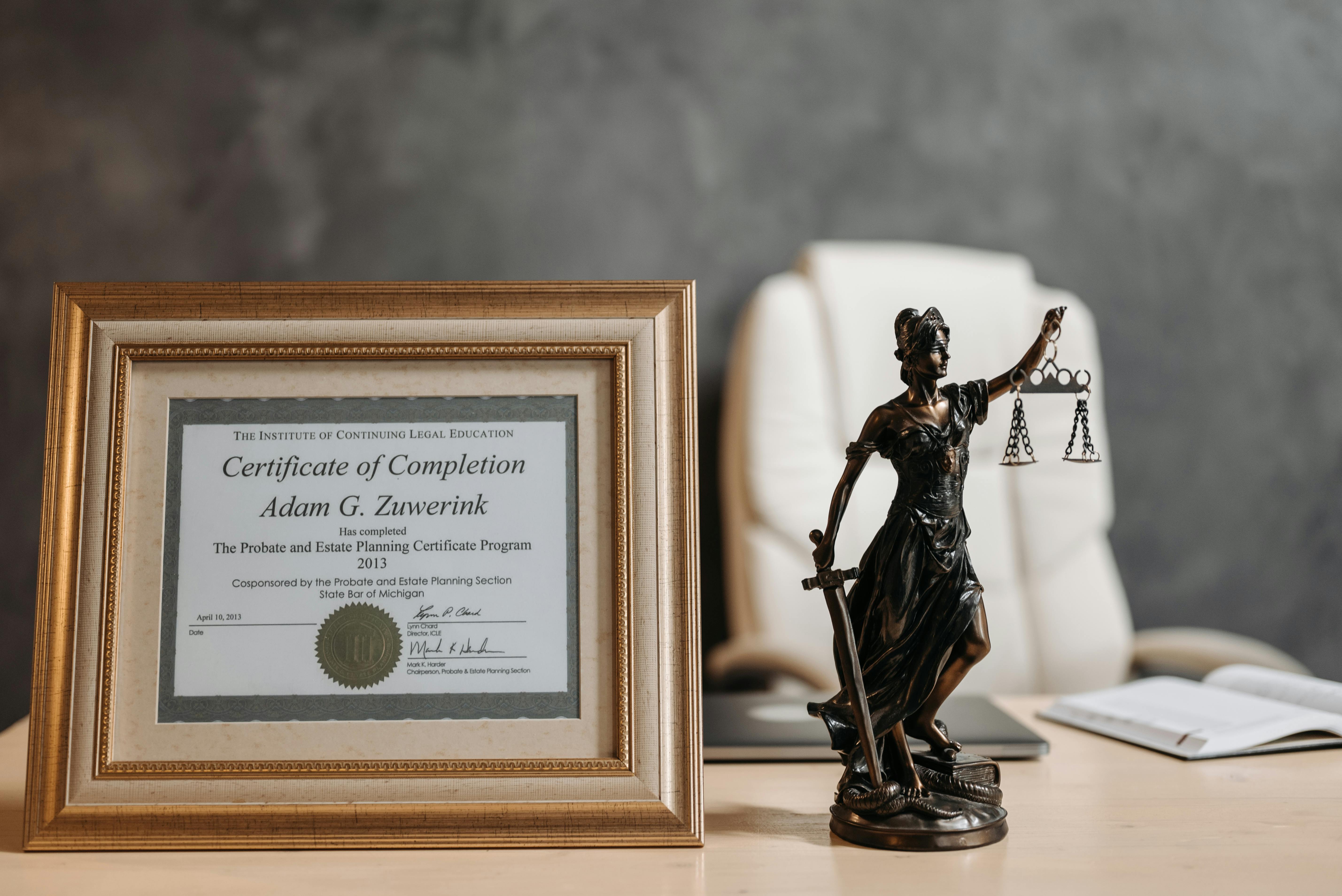
How to Use Technology to Enhance Productivity in the Modern Law Firm Office
In the modern law firm office, technology can be used to enhance productivity in several ways.
First, modern tools such as cloud computing, document management systems, virtualization, and teleconferencing can be used to reduce the time and cost of managing large volumes of documents and data. By taking advantage of these technologies, law firms can store documents, share files, and collaborate on projects with remote workers, eliminating the need to physically transport documents and information between offices.
Second, firms can use workflow automation and task management software to streamline workflows and reduce the amount of time spent on mundane, repetitive tasks. Automated workflows can help free up staff time and allow more time for higher-value activities such as client interactions and research.
Third, law firms should take advantage of digital tools to improve the efficiency of their processes. For example, firms can use e-filing and e-discovery tools to speed up the process of filing documents and retrieving electronic evidence, reducing the amount of time spent on paperwork. Additionally, firms can leverage document automation software to quickly generate customized legal documents, such as contracts and pleadings.
Finally, law firms should ensure that their staff are comfortable using the latest technology. By providing training on how to use technology for tasks such as document management, file sharing, and researching legal topics, firms can help their staff become more efficient and productive.
By leveraging the latest technologies, law firms can boost their productivity, reduce costs, and improve their overall efficiency. With the right combination of technologies and training, firms can maximize their resources and increase their bottom line.
Maximizing Space Utilization in the Modern Law Firm Office
Modern law firms are increasingly facing the challenge of maximizing their use of office space to accommodate their growing number of staff, support personnel, and clients. With the advent of new technologies and the demand for more efficient workflows, law firms must identify the most effective ways to maximize the usage of the office space available.
This article outlines a number of best practices for maximizing office space utilization in modern law firms. First, firms should consider the use of modular furniture and open concept layouts to create a more efficient and flexible workspace. Modular furniture offers the ability to quickly reconfigure workspaces as needed to accommodate different sizes of teams and staff members. Open concept layouts can also help create a more collaborative work environment by providing unobstructed sightlines between staff members. Additionally, firms should consider the use of shared workspaces, such as hotdesks and touchdown areas, which can be used by multiple staff members at different times.
Next, firms should consider the use of digital technologies to reduce the need for physical storage space. By digitizing documents, firms can reduce their need for storage cabinets and shelves, as well as freeing up floor space. Additionally, firms should use cloud-based storage solutions to store documents and data securely in the cloud, eliminating the need for physical servers and other hardware.
Finally, firms should assess their current office space utilization to identify areas of improvement. By tracking usage data, firms can determine which areas of the office are underutilized and can be reallocated to more effective uses. Additionally, firms should consider the use of space-saving solutions such as wall-mounted shelving and storage, multi-use furniture, and non-traditional office configurations.
By following these best practices, modern law firms can maximize the usage of their office space and create a more efficient and productive work environment. By investing in the right tools and technologies, law firms can create a flexible and efficient workspace that meets the needs of their staff and clients.
The Benefits of Branding in the Modern Law Firm Office
In today’s competitive legal market, branding is an essential tool for modern law firms. A well-developed brand strategy can help firms stand out from their competitors, attract new clients, and maintain client loyalty. Branding can also bring a cohesive look and feel to a law firm’s office, creating an inviting atmosphere for both employees and clients.
Branding starts with a firm’s logo, which is often displayed prominently throughout the office. This consistent visual representation of the firm can help create a professional and unified look. Additionally, logos can be used on business cards, stationery, websites, and other materials to increase brand recognition. Branding can also be used to differentiate the firm’s office from its competitors. By utilizing colors, signage, and other design elements, a firm can create a unique and memorable office environment.
Branding can also help to create a sense of pride and ownership among employees. By providing a unified and recognizable visual identity, employees can feel connected to the firm and its mission. This sense of belonging can lead to increased morale and productivity.
Finally, branding can help to create a memorable and lasting impression on clients. By creating a strong visual identity, firms can make a lasting impression on clients and potential clients. This can help to build trust and loyalty among clients and increase the likelihood of repeat business.
Branding is an invaluable tool for modern law firms. By creating a cohesive and recognizable visual identity, firms can stand out from their competitors, build pride among employees, and make a lasting impression on clients. In today’s competitive legal market, a strong brand is essential for success.
Designing a Flexible and Adaptable Modern Law Firm Office Layout
Designing an effective, modern law firm office layout requires careful consideration of a variety of factors, including the types of tasks that employees will be performing, the need for privacy and collaboration, and the size and shape of the space. A flexible and adaptable layout can help accommodate the varying needs of the firm, while also providing a comfortable and inviting work environment for employees.
When creating a modern law firm office layout, it is important to consider how the space will be used. A variety of work stations should be included to accommodate different tasks, such as individual work, client meetings, and team projects. For private conversations, sound-proofed conference rooms or phone booths are ideal. For collaborative tasks, open spaces with comfortable seating and writing surfaces are ideal.
Flexible furniture and modular walls can also be used to create an adaptable office layout. Moveable desks and cubicles can be easily reconfigured to accommodate different tasks and project teams. Modular walls can be used to create private offices or conference rooms, as well as open spaces.
Technology is also an important consideration for modern law firm office layouts. The firm should invest in reliable, high-speed internet service, as well as the latest software and hardware. Employees should also have access to ergonomic furniture, such as adjustable chairs and standing desks, to ensure they are comfortable while working.
Finally, the design of the office should be inviting and appealing. Natural light, comfortable furniture, and modern artwork can all help create an inviting work environment. The office should also be designed with safety and accessibility in mind, to ensure that all employees can comfortably and safely use the space.
By considering these factors, firms can create an effective and modern office layout that is both flexible and adaptable. This will help ensure that the office can be easily reconfigured to accommodate the changing needs of the firm, while also providing a comfortable and inviting work environment for employees.
Conclusion
Designing the modern law firm office is an important part of creating an efficient and professional environment for lawyers and clients. By taking into account factors such as ergonomics, space planning, branding, and technology, law firms can create an office space that is both comfortable and inspiring. Overall, the goal should be to create an office space that is inviting, efficient, and conducive to collaboration and inspiring ideas.